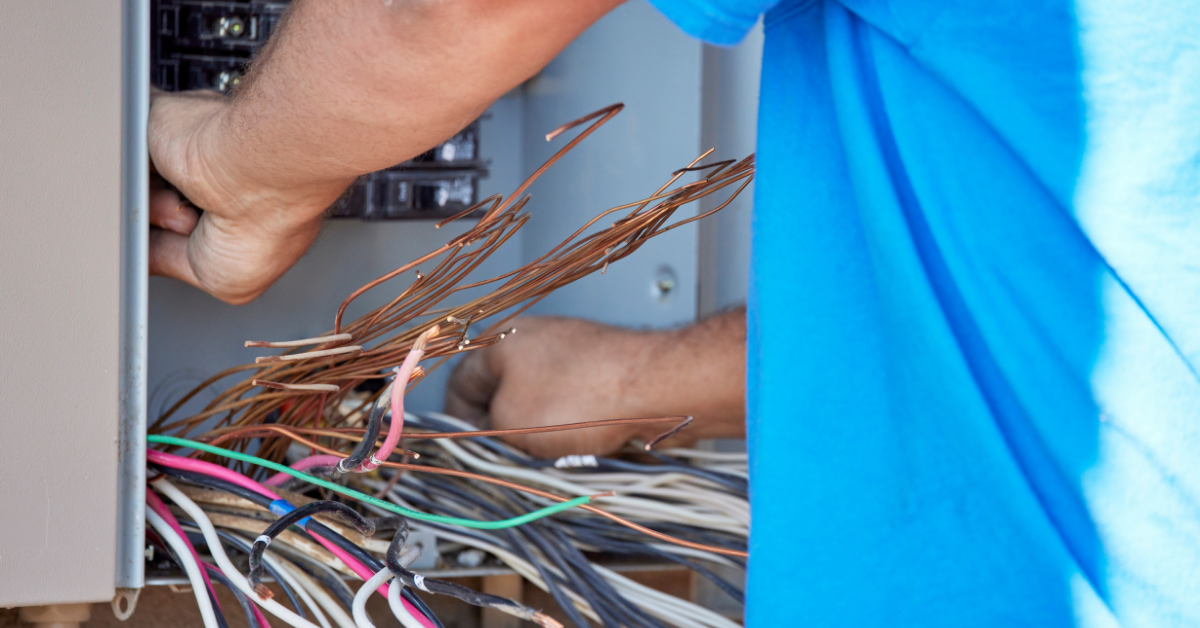
Installing a hot tub in your Marysville home is an exciting investment in relaxation and property value. However, the combination of water and electricity requires strict adherence to safety protocols to protect your family and ensure years of worry-free enjoyment. Understanding proper electrical requirements and safety measures is essential for every hot tub owner in Snohomish County.
GFCI Protection Is Non-Negotiable
Ground Fault Circuit Interrupter (GFCI) protection is the most critical safety feature for any hot tub installation. This device monitors the electrical current flowing through the circuit and instantly shuts off power if it detects even a small imbalance that could indicate electricity is escaping through water or a person. Washington state electrical codes mandate GFCI protection for all hot tub circuits, and for good reason.
Your hot tub’s GFCI should be easily accessible but positioned at least five feet away from the spa’s edge. Never bypass or disable GFCI protection, even if it seems to trip frequently. Nuisance tripping often indicates an underlying electrical issue that requires professional attention. Regular testing of your GFCI device monthly ensures it’s functioning properly and ready to protect your family.
Proper Electrical Panel Requirements
Most hot tubs require a dedicated 220-volt circuit with appropriate amperage based on your spa’s specifications. This means your electrical panel must have sufficient capacity and proper breaker protection. Older homes in Marysville may need electrical panel upgrades to safely accommodate a hot tub’s electrical demands.
The dedicated circuit ensures your hot tub doesn’t share power with other appliances, preventing overloads and maintaining consistent performance. Attempting to run a hot tub on an inadequate electrical supply not only creates safety hazards but can damage expensive spa equipment and void manufacturer warranties.
Safe Installation Distances and Clearances
Electrical safety extends beyond the spa itself to proper placement of electrical components. The main electrical disconnect must be located between five and fifty feet from your hot tub, easily visible and accessible for emergency shutoffs. This disconnect allows you to quickly cut power during maintenance or emergencies.
Overhead electrical lines present serious hazards and must maintain specific clearances from your hot tub area. Power lines should be at least 22.5 feet above the spa, while communication and cable lines need at least 10 feet of clearance. Professional hot tub electrical installation ensures all clearance requirements are met according to local Snohomish County codes.
Understanding Bonding and Grounding Systems
Electrical bonding creates an equipotential plane around your hot tub, meaning all metal components maintain the same electrical potential to prevent dangerous voltage differences. This includes the spa shell, pump motors, heater assemblies, and any nearby metal fixtures or structures. Proper bonding requires connecting all these components with copper wire of specific gauge and configuration.
Grounding provides a safe path for electrical current to return to earth in case of equipment failure. Your hot tub’s electrical system must include proper grounding through the main electrical panel. These safety systems work together to protect against electrical shock and must be installed by qualified professionals familiar with current electrical codes.
Regular Maintenance and Inspection Protocols
Ongoing electrical safety requires regular attention to your hot tub’s electrical components. Monthly GFCI testing should become routine, simply pressing the test button and ensuring power cuts off, then pressing reset to restore function. Any hesitation or failure to trip indicates the need for immediate professional service.
Visual inspections of electrical connections, conduits, and the main disconnect help identify potential problems before they become dangerous. Look for signs of corrosion, loose connections, damaged wiring, or water intrusion around electrical components. Snohomish County’s wet climate makes moisture protection particularly important for outdoor electrical installations.
Professional Installation vs. DIY Risks
While many homeowners tackle various projects themselves, hot tub electrical work requires professional expertise and proper permitting. DIY electrical installations often fail to meet code requirements, creating serious safety hazards and legal liabilities. Insurance claims may be denied if electrical fires or injuries result from unpermitted work performed by unlicensed individuals.
Professional electricians understand local codes, proper installation techniques, and safety requirements specific to hot tub installations. They also handle permit applications and inspections, ensuring your installation meets all Marysville and Washington state requirements. The investment in professional installation protects your family’s safety and your property’s value.
Don’t compromise on electrical safety for your hot tub installation or maintenance needs. Contact Sovereign Electric LLC today for expert hot tub electrical services that prioritize your family’s safety and ensure code-compliant installation throughout Snohomish County.
Frequently Asked Questions
Q: How much does professional hot tub electrical installation typically cost in Marysville?
A: Costs vary based on distance from your electrical panel, required upgrades, and local permit fees, but professional installation typically ranges from $800 to $2,500. The investment in safety and code compliance far outweighs potential risks of improper installation.
Q: Can I use an existing 110-volt outlet for my new hot tub?
A: Most full-size hot tubs require dedicated 220-volt circuits for proper operation. While some smaller spas operate on 110 volts, they often have limited heating capacity and slower performance. Consult with a professional electrician to determine your specific requirements.
Q: Why does my hot tub GFCI keep tripping?
A: Frequent GFCI tripping usually indicates moisture intrusion, damaged wiring, or equipment problems. Never ignore or bypass a tripping GFCI, as it’s protecting you from potential electrocution. Professional diagnosis can identify and resolve the underlying cause.
Q: Do I need permits for hot tub electrical work in Snohomish County?
A: Yes, electrical permits are required for hot tub installations in Marysville and throughout Snohomish County. Licensed electricians typically handle permit applications and coordinate required inspections as part of their service.
Q: How often should I test my hot tub’s GFCI protection?
A: Test your GFCI monthly by pressing the test button to ensure it trips properly, then press reset to restore power. This simple test confirms your primary electrical safety device is functioning correctly and ready to protect your family.