Outdoor lighting transforms your property’s curb appeal while improving safety and security. However, poor planning can lead to excessive energy costs, safety hazards, and code violations. Here’s how to design an outdoor lighting system that’s both beautiful and practical.
Start With a Clear Purpose for Each Lighting Zone
Before purchasing fixtures, identify what you want to accomplish in different areas of your property. Pathway lighting serves a different function than accent lighting for landscape features or security lighting near entry points. Creating a zone-based plan helps you choose appropriate fixtures and avoid over-lighting or under-lighting specific areas. This strategic approach also prevents wasteful energy consumption by ensuring you only install lights where they’re truly needed.
Choose LED Fixtures for Maximum Energy Efficiency
LED technology has revolutionized outdoor lighting by offering significant energy savings compared to traditional incandescent or halogen bulbs. LEDs use up to 75% less energy and last 25 times longer, which means fewer replacements and lower utility bills. They also perform better in cold weather conditions common in the Pacific Northwest. When selecting LED fixtures, pay attention to color temperature—warmer tones (2700K-3000K) create inviting ambiance, while cooler tones (4000K-5000K) work better for security applications.
Plan for Proper Electrical Capacity and Circuit Protection
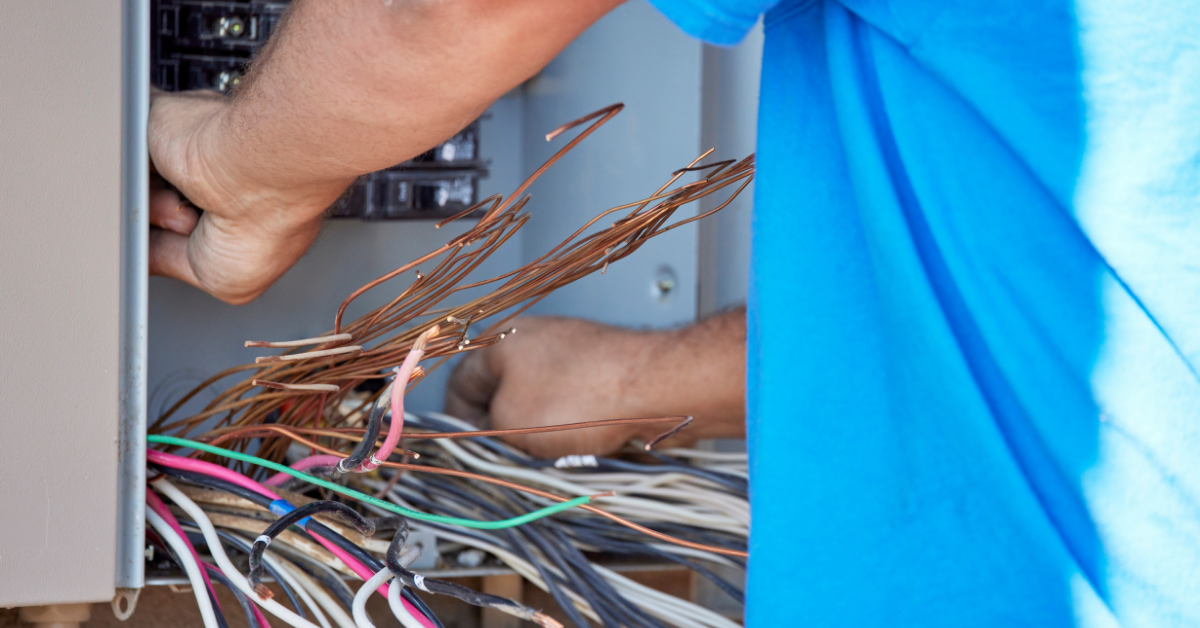
Your outdoor lighting system requires adequate electrical infrastructure to operate safely. Most residential outdoor lighting runs on low-voltage systems (12V or 24V), which are safer and more energy-efficient than line-voltage (120V) systems. However, both types need proper circuit protection through GFCI outlets and weatherproof enclosures. If you’re unsure whether your existing electrical system can handle additional outdoor lighting loads, consult with professionals who specialize in Outdoor Electrical services to assess your needs.
Select Weather-Resistant Fixtures Rated for Outdoor Use
Not all light fixtures are created equal when it comes to withstanding Pacific Northwest weather. Look for fixtures with appropriate UL wet or damp location ratings—wet-rated fixtures withstand direct exposure to rain and snow, while damp-rated fixtures work in covered areas like porches. Quality fixtures feature corrosion-resistant materials such as copper, brass, stainless steel, or powder-coated aluminum. Plastic fixtures may save money upfront but often crack or fade within a few years, requiring premature replacement.
Implement Smart Controls and Timers for Efficiency
Automation significantly improves the energy efficiency of outdoor lighting systems. Photocell sensors automatically turn lights on at dusk and off at dawn, eliminating wasted energy from lights left on during daylight hours. Motion sensors provide security lighting only when needed, dramatically reducing runtime. Smart home integration allows you to control outdoor lighting remotely, set schedules, and adjust brightness levels from your smartphone. These controls not only save energy but also extend the lifespan of your fixtures.
Follow Code Requirements and Permit Regulations
Electrical code compliance isn’t optional—it protects your home from fire hazards and ensures your insurance remains valid. Outdoor electrical installations must meet National Electrical Code (NEC) requirements and local Marysville regulations, which specify proper burial depths for underground wiring, appropriate junction box placement, and GFCI protection. Low-voltage landscape lighting typically doesn’t require permits, but line-voltage installations and any work on your main electrical system does. Professional Electrical Installation ensures code compliance from the start.
Consider Professional Installation for Complex Projects
While simple solar stake lights might be DIY-friendly, comprehensive outdoor lighting systems benefit from professional installation. Licensed electricians ensure proper wire sizing, weatherproof connections, transformer placement, and load calculations. They also identify potential issues like insufficient panel capacity or outdated wiring that could create safety hazards. Professional installation provides peace of mind knowing your system is safe, efficient, and built to last through years of Pacific Northwest weather.
Ready to illuminate your outdoor spaces safely and efficiently? Contact Sovereign Electric LLC today for expert outdoor lighting design and installation. Our experienced team serves Marysville, Everett, Lake Stevens, and throughout Snohomish County with reliable electrical solutions tailored to your needs.
Frequently Asked Questions
Q: How much does it cost to install outdoor lighting?
A: Costs vary widely based on the number of fixtures, system complexity, and installation requirements. Simple low-voltage landscape lighting might cost $500-$2,000, while comprehensive security and architectural lighting systems can range from $2,000-$10,000 or more. Professional assessment provides accurate estimates for your specific project.
Q: What’s the difference between low-voltage and line-voltage outdoor lighting?
A: Low-voltage systems (12V or 24V) use a transformer to reduce household current, making them safer and more energy-efficient for landscape and pathway lighting. Line-voltage systems (120V) use full household current and are typically used for security lighting, large fixtures, or areas requiring brighter illumination.
Q: How far apart should pathway lights be spaced?
A: Generally, pathway lights should be spaced 6-8 feet apart for adequate illumination without creating overly bright spots. Spacing depends on fixture brightness, beam angle, and path width. The goal is gentle, overlapping pools of light that guide safely without glare.
Q: Do outdoor lights need to be on their own circuit?
A: While not always required, dedicating a circuit to outdoor lighting is recommended for systems with multiple fixtures. This prevents overloading circuits shared with other devices and makes troubleshooting easier. GFCI protection is mandatory for all outdoor electrical installations.
Q: How can I reduce light pollution from outdoor fixtures?
A: Choose fixtures with downward-facing shields that direct light only where needed rather than upward into the sky. Use motion sensors or timers to limit operating hours, select appropriate brightness levels for each application, and position fixtures to avoid shining directly into neighbors’ windows or natural areas.