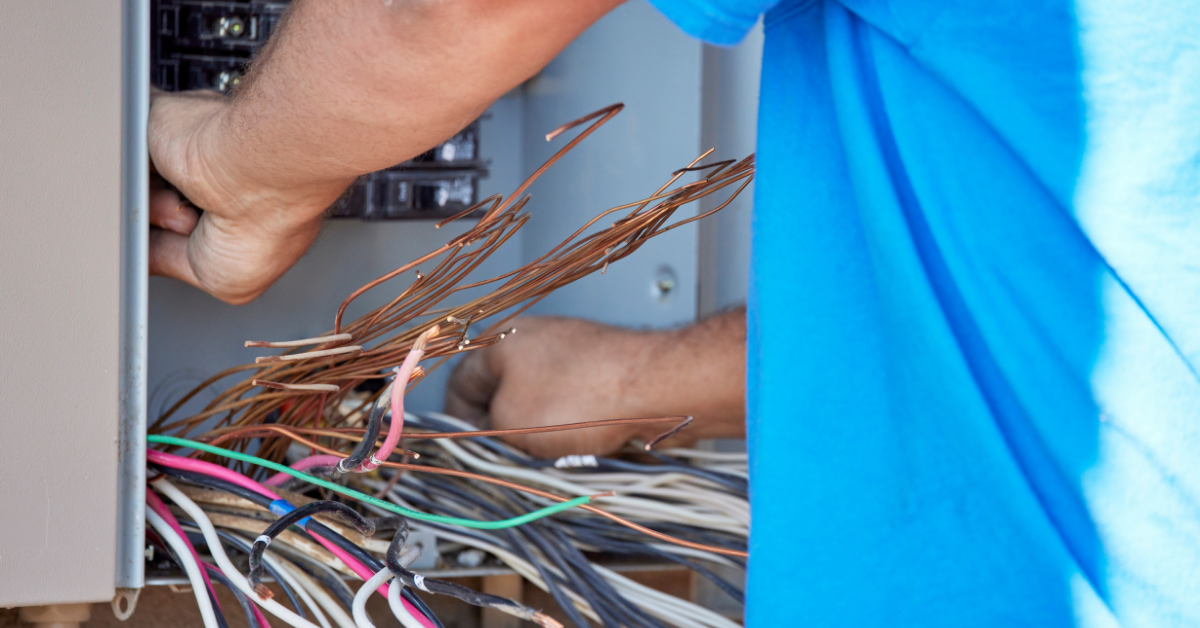
Installing a hot tub is an exciting addition to any home, but it requires careful electrical planning to ensure safety and functionality. Before your new spa arrives, your electrical system needs proper preparation to handle the significant power demands of a hot tub.
Understanding Hot Tub Electrical Requirements
Most residential hot tubs require a dedicated 240-volt circuit with 50 to 60 amps of power. This is similar to the electrical demand of a large appliance like an electric dryer or range. Unlike standard outlets, hot tubs need their own circuit that isn’t shared with any other devices or appliances in your home. The exact requirements will vary based on your hot tub’s size, features, and manufacturer specifications, so always check the owner’s manual before beginning any electrical work. Professional hot tub electrical installation ensures your system meets all local codes and safety standards.
Assessing Your Current Electrical Panel Capacity
Before you can add a hot tub circuit, you need to determine whether your existing electrical panel has enough capacity. Most homes have 100, 150, or 200-amp service panels. A hot tub typically requires 50-60 amps, which is a substantial load that your panel must be able to accommodate alongside your home’s existing electrical demands. If you’re already running near capacity with air conditioning, electric heating, or other major appliances, you may need an upgrade.
A licensed electrician can perform a load calculation to determine if your panel has sufficient capacity. This assessment examines your total electrical usage and available amperage. If your panel is outdated, full, or undersized, you’ll need electrical panel upgrades before the hot tub installation can proceed safely.
Installing a Dedicated Circuit and Disconnect Box
Hot tubs must have a dedicated circuit—a separate line running directly from your electrical panel to the spa. This circuit should never power any other devices or outlets. The wiring typically consists of 6-gauge or 8-gauge wire depending on the amperage and distance from the panel, and it must be installed according to National Electrical Code (NEC) requirements.
Additionally, code requires a manual disconnect box installed within sight of the hot tub, typically between 5 and 15 feet away. This safety feature allows you to quickly shut off power to the spa for maintenance or emergencies. The disconnect must be weatherproof and clearly labeled. Proper electrical installation of these components is critical for both safety and insurance purposes.
GFCI Protection for Hot Tub Safety
Ground Fault Circuit Interrupter (GFCI) protection is mandatory for all hot tub installations. A GFCI monitors the electrical current flowing through the circuit and immediately shuts off power if it detects any imbalance that could indicate a ground fault or shock hazard. Since hot tubs combine electricity with water—a dangerous combination—GFCI protection is your first line of defense against electrical shock.
The GFCI protection can be integrated into the circuit breaker in your panel or installed as part of the disconnect box. Your electrician will determine the best configuration for your specific installation. Testing the GFCI monthly is essential to ensure it’s functioning properly and providing continuous protection.
Outdoor Wiring Considerations and Permits
The wiring path from your electrical panel to the hot tub location requires careful planning. If your hot tub is outdoors, the wiring must be protected appropriately—either buried in conduit at the proper depth or run through weatherproof conduit above ground. NEC codes specify minimum burial depths (typically 18-24 inches depending on the conduit type) and require proper protection from physical damage.
Most jurisdictions require permits for hot tub electrical work, and inspections ensure the installation meets all safety codes. While it might be tempting to skip the permit process, unpermitted work can create problems with insurance claims, home sales, and most importantly, safety. Professional outdoor electrical installation includes handling all permitting and inspection requirements.
Proper Grounding and Bonding
Grounding and bonding are critical safety features that protect users from electrical shock. Grounding provides a safe path for electrical current in case of a fault, while bonding connects all metal components to eliminate voltage differences that could cause shock. Your hot tub’s electrical system must include proper grounding of the equipment and bonding of all metal parts including the spa shell, motor, pump, heater, and any metal within five feet of the tub.
This bonding grid typically uses 8-gauge copper wire to connect all metallic components together and then to the grounding system. Improper grounding or bonding is one of the most dangerous electrical defects and can result in serious injury or death. This complex requirement is another reason why professional installation is essential.
Planning for Future Maintenance and Access
When preparing your electrical system for a hot tub, think beyond the initial installation. Position your disconnect box where it’s easily accessible but not in an area where it might be accidentally switched off. Ensure adequate space around the electrical equipment for future service and repairs. Keep a clear path from your electrical panel to the hot tub location in case issues arise that require troubleshooting.
Document your electrical installation with photos and keep all permits, inspection certificates, and electrical diagrams in a safe place. This information will be valuable for future homeowners and can expedite any necessary electrical repairs or modifications down the road.
Professional Installation Protects Your Investment
While some homeowners might consider tackling hot tub electrical work themselves, this is one project that absolutely requires professional expertise. Improper installation can result in equipment damage, fire hazards, electrical shock, code violations, and voided warranties. Licensed electricians understand the complex code requirements, have the proper tools and testing equipment, and carry insurance to protect you and your property.
At Sovereign Electric LLC, we specialize in hot tub electrical installations throughout Marysville, Everett, Lake Stevens, and the surrounding areas. Our experienced team handles everything from panel assessments and upgrades to complete circuit installation and final inspections. Don’t risk your safety or your investment—contact us today to schedule your hot tub electrical consultation.
Frequently Asked Questions
Q: Can I plug my hot tub into a regular outdoor outlet?
A: No, hot tubs require a dedicated 240-volt circuit with 50-60 amps, which is far more power than a standard outdoor outlet provides. Attempting to use a regular outlet would trip breakers, damage equipment, and create serious fire and shock hazards.
Q: How much does it cost to prepare electrical for a hot tub installation?
A: Costs vary depending on the distance from your panel, whether you need a panel upgrade, and site-specific factors. Simple installations may start around $1,000-$1,500, while projects requiring panel upgrades or extensive wiring runs can cost $3,000-$5,000 or more. A professional assessment provides an accurate estimate.
Q: How long does hot tub electrical installation take?
A: Most installations take one to two days, depending on complexity. If you need a panel upgrade, permit processing and inspections may extend the timeline. Planning ahead and scheduling early ensures your electrical work is complete when your hot tub arrives.
Q: Do I need a permit for hot tub electrical work?
A: Yes, virtually all jurisdictions require electrical permits for hot tub installations. Permits ensure the work meets safety codes and includes proper inspections. Unpermitted work can create insurance issues and complications when selling your home.
Q: Can my existing 100-amp electrical panel support a hot tub?
A: It depends on your current electrical load. A load calculation determines whether you have sufficient capacity. Many 100-amp panels can accommodate a hot tub if other loads are moderate, but homes with electric heat, air conditioning, and multiple appliances often need an upgrade to 200-amp service.