Installing an electric vehicle charger at home is one of the most convenient upgrades for EV owners, but not every electrical panel can handle the additional load. Before you schedule your charger installation, it’s important to understand whether your current system has the capacity to support it safely and efficiently.
Understanding Your Panel’s Capacity
Most homes in Marysville and surrounding areas have electrical panels rated between 100 and 200 amps. A Level 2 EV charger—the most common type for residential use—typically requires a dedicated 40 to 50-amp circuit. If your panel is already near capacity with existing appliances, HVAC systems, and other electrical loads, adding an EV charger could overload your system and create safety hazards.
To determine if your panel can handle an EV charger, you’ll need to calculate your total electrical demand. This includes everything from your water heater and dryer to your air conditioning and kitchen appliances. A licensed electrician can perform a load calculation to assess whether your current setup has sufficient headroom for the additional draw.
Signs Your Panel Needs an Upgrade
There are several indicators that your electrical panel may not be ready for an EV charger. Frequent circuit breaker trips, flickering lights when large appliances run, or a panel that’s more than 25 years old are all red flags. Older panels may also use outdated technology like fuses instead of circuit breakers, which aren’t suitable for modern electrical demands.
If your home still has a 100-amp service, an upgrade is almost certainly necessary before installing an EV charger. Modern households with electric vehicles typically need at least 200-amp service to accommodate both everyday electrical use and EV charging without issue.
The Difference Between Panel Capacity and Available Space
Even if your panel has adequate amperage, physical space matters too. Installing an EV charger requires adding a dedicated circuit breaker, and your panel must have an available slot. If all positions are occupied, you may need a panel upgrade or a subpanel installation to create the necessary space.
It’s also worth noting that some older panels have compatibility issues with modern circuit breakers. If replacement breakers for your panel model are no longer manufactured or don’t meet current safety standards, a full panel replacement becomes necessary. An experienced electrician can evaluate both capacity and compatibility during your consultation.
What an Electrical Panel Upgrade Involves
Upgrading your electrical panel for an EV charger typically includes increasing your service capacity, replacing outdated equipment, and ensuring everything meets current electrical codes. This process requires coordination with your utility company to upgrade the service line if necessary, followed by installation of a new panel with sufficient amperage and breaker spaces.
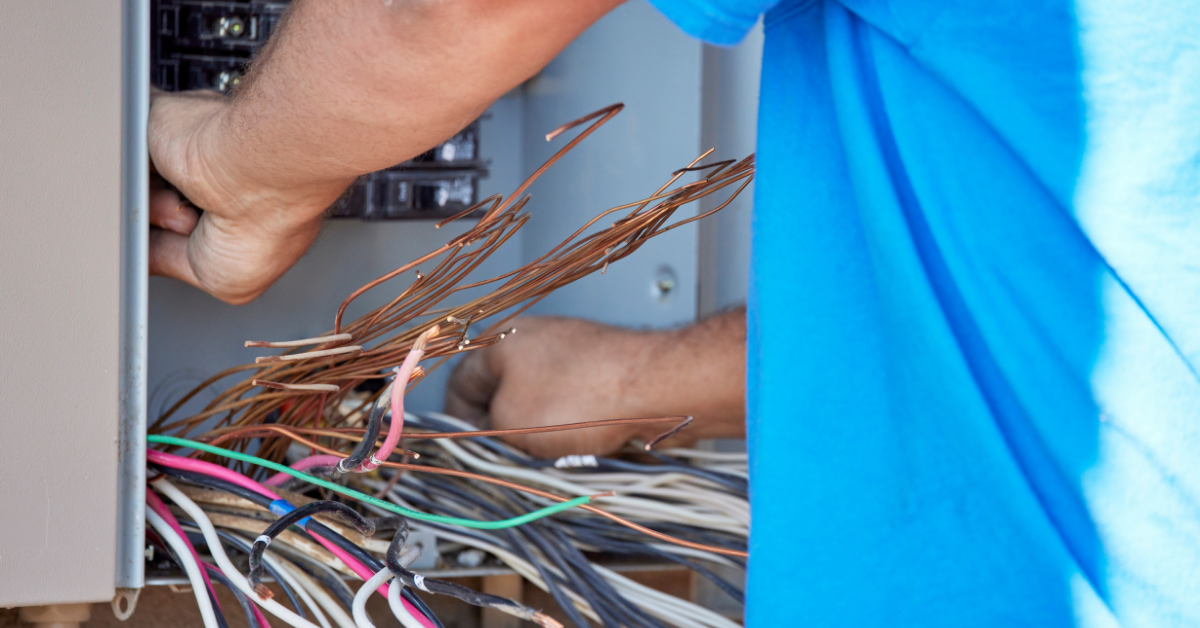
The upgrade also provides an opportunity to address other electrical issues in your home. Many homeowners take advantage of panel upgrades to add circuits for other high-demand appliances or improve overall electrical safety. Working with qualified professionals ensures the job is done correctly and passes inspection. Electrical Panels specialists can assess your specific needs and recommend the right solution.
Choosing the Right EV Charger for Your Home
Once you’ve confirmed your panel can support it, selecting the appropriate EV charger matters. Level 2 chargers vary in amperage—typically 32, 40, or 48 amps—and your choice should match both your vehicle’s charging capabilities and your panel’s available capacity. A 40-amp charger is often the sweet spot for most residential installations, providing fast charging without excessive demand.
Some EV chargers also include smart features like scheduling, energy monitoring, and load management. These features can help you charge during off-peak hours when electricity rates are lower and prevent overloading your system by automatically adjusting power levels based on your home’s current electrical usage.
The Installation Process and Timeline
Professional EV Charger installation begins with a site assessment to evaluate your panel, determine the best charger location, and plan the circuit routing. If your panel needs upgrading, that work happens first, which typically takes one to two days depending on the scope. Once the panel is ready, the charger circuit installation and mounting usually takes another half day.
The entire process—from initial consultation through final inspection—generally takes one to two weeks when panel upgrades are needed, or just a few days if your existing panel is already adequate. Permits and inspections are required in Snohomish County and King County, ensuring all work meets safety standards and local codes.
Why Professional Assessment Matters
While it might be tempting to assess your panel’s readiness yourself, electrical systems are complex and potentially dangerous. A professional evaluation considers factors beyond simple amperage calculations, including wire sizing, grounding systems, panel condition, and code compliance. Mistakes in these areas can lead to fire hazards, equipment damage, or failed inspections that cost more to fix later.
Licensed electricians also stay current with evolving electrical codes and manufacturer requirements, ensuring your EV charger installation is safe, efficient, and warrantied. They can identify potential issues before they become problems and recommend cost-effective solutions tailored to your specific situation and future needs.
Ready to Power Your Electric Vehicle?
Ensuring your electrical panel is ready for an EV charger is an investment in both convenience and safety. Whether you need a simple charger installation or a complete panel upgrade, Sovereign Electric LLC provides expert residential electrical services throughout Marysville, Everett, Lake Stevens, Lynnwood, Seattle, and all of Snohomish and King Counties. Contact us today to schedule your consultation and take the first step toward convenient home EV charging.
Frequently Asked Questions
Q: Can I install an EV charger if I have a 100-amp panel?
A: It’s possible in some cases, but unlikely. A 100-amp panel rarely has sufficient capacity for both typical household loads and an EV charger. Most installations require upgrading to at least 200-amp service to safely accommodate EV charging alongside other electrical demands.
Q: How much does it cost to upgrade an electrical panel for an EV charger?
A: Panel upgrade costs vary depending on the scope of work required, typically ranging from $1,500 to $4,000 or more. Factors include whether you need a service line upgrade, the distance from your meter to the panel, and any necessary repairs or code updates. A detailed quote requires an on-site evaluation.
Q: How long does it take to charge an EV with a Level 2 home charger?
A: Most electric vehicles gain 25-30 miles of range per hour with a 40-amp Level 2 charger. A completely depleted battery typically takes 6-8 hours to fully charge overnight, making it perfect for daily use when you charge while you sleep.
Q: Do I need a dedicated circuit for my EV charger?
A: Yes, all EV chargers require a dedicated circuit that serves no other purpose. This ensures consistent, safe charging without overloading the circuit or creating hazards. The circuit must be properly sized for your charger’s amperage requirements and installed according to electrical code.
Q: Can I use my existing dryer outlet to charge my EV?
A: While some portable EV chargers can plug into dryer outlets, this isn’t recommended as a permanent solution. Dryer circuits aren’t designed for the continuous load of EV charging, and you can’t use both your dryer and EV charger simultaneously. A dedicated circuit is the safer, more practical choice.