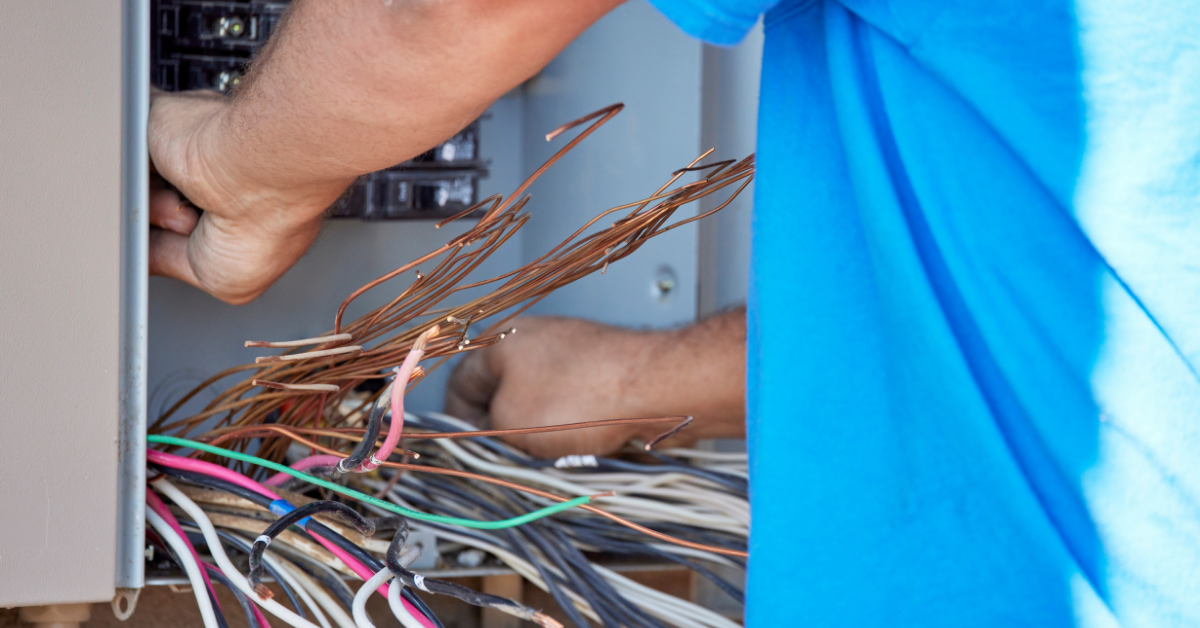
Your electrical panel is the heart of your home’s power system, distributing electricity safely to every room and appliance. When it starts showing signs of wear or fails to meet your household’s demands, you’re faced with an important decision: should you repair the existing panel or invest in a full replacement? Understanding the difference can save you money, protect your home, and ensure your family’s safety.
Signs Your Electrical Panel Needs Attention
Several warning signs indicate your electrical panel requires professional evaluation. If you notice frequent breaker trips, a burning smell near the panel, rust or corrosion on the box, or lights that dim when appliances turn on, it’s time to call a licensed electrician. Buzzing sounds, warm panels to the touch, or breakers that won’t stay reset are also red flags that shouldn’t be ignored. These symptoms suggest your panel is either overloaded, damaged, or outdated—each requiring different solutions. Our team at Sovereign Electric LLC provides thorough Electrical Repairs to diagnose the exact issue before recommending a course of action.
When a Simple Repair Makes Sense
In some cases, repairing your existing panel is the most practical and cost-effective solution. If you have a relatively modern panel (less than 15-20 years old) with adequate amperage for your needs, a single faulty breaker or loose connection can often be repaired quickly. Minor issues like worn breakers, damaged bus bars, or corroded connections typically don’t require full panel replacement. However, repairs only make sense when the panel’s overall capacity matches your electrical demands and the panel itself meets current safety standards. If your panel is manufactured by a brand with known safety issues—like Federal Pacific or Zinsco—even minor problems warrant considering replacement instead of repair.
When Replacement Is the Better Investment
Full panel replacement becomes necessary when your system can no longer safely support your home’s electrical needs. Homes built before the 1990s often have 60-100 amp panels, which are insufficient for modern appliances, HVAC systems, and technology. If you’re adding major electrical loads like an EV Charger or Hot Tub, your current panel may lack the capacity to handle the additional demand. Similarly, panels with rust, water damage, or fire damage compromise safety and should be replaced entirely. Our Electrical Panels service includes complete upgrades to modern 200-amp systems that accommodate today’s electrical requirements.
Understanding the Cost Difference
The financial aspect plays a significant role in your decision. Repairing a breaker or connection might cost a few hundred dollars, while a full panel replacement typically ranges from $1,500 to $4,000 depending on complexity and amperage. While replacement costs more upfront, it often proves more economical long-term when you consider the value it adds to your home, the improved safety, and the elimination of ongoing repair needs. Additionally, upgrading your panel may be required for home insurance coverage, especially with older or problematic panel brands. When planning home improvements that increase electrical demand, factoring panel replacement into your overall budget prevents costly surprises down the road. Professional Electrical Installation ensures the work meets all local codes and permitting requirements.
Safety Considerations That Tip the Scale
Safety should always be your primary concern when deciding between repair and replacement. Older panels lack modern safety features like AFCI (Arc Fault Circuit Interrupter) and GFCI (Ground Fault Circuit Interrupter) protection, which prevent electrical fires and shocks. If your panel poses any fire risk or doesn’t meet current National Electrical Code (NEC) standards, replacement isn’t just recommended—it’s essential. Insurance companies increasingly refuse coverage or charge higher premiums for homes with outdated or problematic panels. Some municipalities require panel upgrades when you sell your home or complete major renovations. These safety and compliance issues often make replacement the only responsible choice, regardless of repair costs.
Future-Proofing Your Home’s Electrical System
Thinking beyond immediate needs helps you make the smartest long-term decision. Even if your current panel barely meets today’s demands, consider what the next 5-10 years might bring. Are you planning to install solar panels, add a workshop, or convert to electric heating? Will you purchase an electric vehicle? Modern 200-amp panels provide flexibility for future upgrades without requiring another costly replacement. This forward-thinking approach is especially important in growing areas like Marysville, Everett, and Snohomish County, where home values benefit from updated electrical infrastructure. Investing in a proper Electrical Panel upgrade now prevents limitations later and can actually increase your home’s resale value.
How to Get an Accurate Professional Assessment
The only way to make an informed decision is through professional evaluation by a licensed electrician. During an inspection, we examine your panel’s age, capacity, condition, and safety features while discussing your current and future electrical needs. We’ll check for code violations, measure your actual electrical load, and assess whether your panel can accommodate planned improvements. This comprehensive assessment provides clear recommendations based on your specific situation—not a one-size-fits-all approach. Whether you need minor repairs or a complete upgrade, Sovereign Electric LLC serves homeowners throughout Snohomish County and King County with honest, expert guidance. Don’t wait until an electrical emergency forces your hand—contact us today for a thorough panel inspection and personalized recommendations that keep your home safe and powered for years to come.
Frequently Asked Questions
Q: How long does an electrical panel typically last?
A: Most electrical panels last 25-40 years with proper maintenance, but factors like usage, environmental conditions, and manufacturer quality affect lifespan. Panels from problematic manufacturers may need replacement sooner regardless of age.
Q: Can I upgrade just part of my electrical panel?
A: In most cases, partial upgrades aren’t recommended or code-compliant. If your panel needs significant work, full replacement ensures everything meets current safety standards and provides adequate capacity for your home’s needs.
Q: Will homeowners insurance cover electrical panel replacement?
A: Standard homeowners insurance typically doesn’t cover panel replacement as routine maintenance, but may cover damage from covered events like fires or storms. Some insurers require panel upgrades as a condition of coverage for older homes.
Q: How do I know if my panel has enough capacity?
A: A licensed electrician can perform a load calculation that compares your panel’s amperage rating to your home’s actual electrical demand. If you’re frequently tripping breakers or planning major electrical additions, your panel likely needs upgrading.
Q: What’s the difference between 100-amp and 200-amp service?
A: The amperage rating indicates how much electrical current your panel can safely handle. Most modern homes require 200-amp service to support appliances, HVAC, electronics, EV chargers, and other electrical demands, while 100-amp panels are often insufficient for today’s needs.