Flickering lights are more than just annoying—they can signal serious electrical problems in your home. While some causes are harmless, others require immediate professional attention to prevent safety hazards. Understanding what’s behind those flickering bulbs can help you know when it’s time to call a licensed electrician.
Loose or Faulty Light Bulbs
The simplest explanation for flickering lights is often a loose bulb. When a bulb isn’t screwed in tightly, the electrical connection becomes intermittent, causing the light to flicker. Try turning off the fixture, letting the bulb cool, and then tightening it firmly.
If tightening doesn’t solve the problem, the bulb itself may be defective or incompatible with your fixture. LED bulbs, in particular, can flicker if they’re not compatible with dimmer switches or if they’re low quality. Replacing the bulb with a high-quality alternative often resolves the issue.
However, if multiple bulbs in the same fixture flicker or the problem persists across different bulbs, the issue likely lies within your home’s electrical system and requires professional electrical repairs.
Overloaded Circuits
When too many devices draw power from the same circuit, voltage drops can cause lights to flicker. This commonly happens when high-draw appliances like space heaters, microwaves, or hair dryers turn on while lights are running on the same circuit.
Overloaded circuits aren’t just inconvenient—they’re dangerous. Sustained overloading can overheat wiring, damage appliances, and even cause electrical fires. If you notice lights dimming or flickering when certain appliances kick on, your home may need additional circuits or an electrical panel upgrade.
Modern homes with numerous electronics and appliances often exceed the capacity of older electrical systems. A licensed electrician can evaluate your electrical load and recommend solutions that keep your home safe and functional.
Loose Wiring Connections
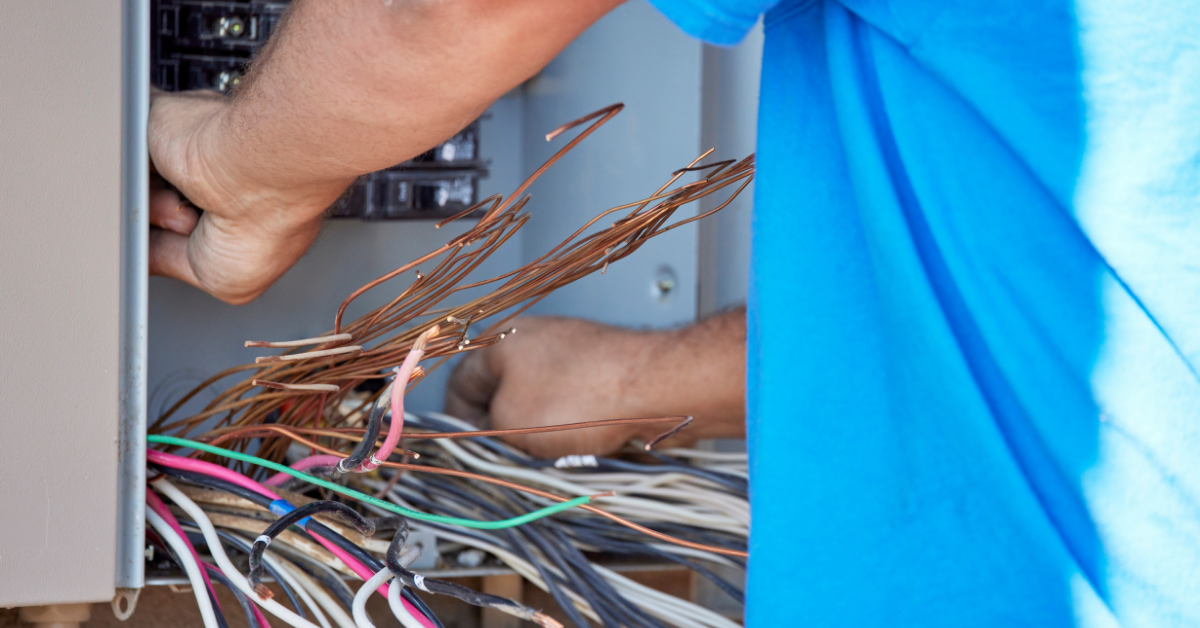
Loose wiring connections at fixtures, switches, or within your electrical panel are a serious safety concern. These connections can cause arcing, generate heat, and potentially start fires. If you notice flickering accompanied by buzzing sounds, burning smells, or warm switch plates, turn off power to that circuit immediately.
Loose connections can develop over time due to thermal expansion and contraction, vibrations, or poor initial installation. This issue requires immediate attention from a qualified professional who can safely identify and repair the faulty connections.
Never attempt to investigate or repair loose wiring yourself. Contact emergency electrical services if you suspect dangerous wiring issues, especially if multiple fixtures are affected or if you notice any burning odors.
Voltage Fluctuations From the Utility Company
Sometimes flickering lights have nothing to do with your home’s electrical system. Voltage fluctuations from your utility company—caused by weather, equipment problems, or high neighborhood demand—can cause lights throughout your home to flicker simultaneously.
These utility-related issues are typically temporary and affect your neighbors as well. If you notice consistent flickering during storms or at peak usage times, and your neighbors report similar problems, the cause is likely external.
However, if flickering persists or happens frequently, contact both your utility company and an electrician. Chronic voltage fluctuations can damage sensitive electronics and appliances. A whole-home surge protector installed by a professional can provide valuable protection for your home’s electrical devices.
Outdated or Damaged Electrical Panels
Your electrical panel distributes power throughout your home, and any issues here can cause widespread flickering. Breakers that don’t make proper contact, corroded connections, or panels that have exceeded their service life can all result in inconsistent power delivery.
Homes built before 1990 may have electrical panels that don’t meet current safety standards or capacity requirements. Federal Pacific, Zinsco, and some older panels have known safety issues and should be replaced. Even newer panels can develop problems if connections become loose or corroded over time.
If lights flicker throughout your home rather than in isolated areas, your electrical panel may be the culprit. A professional inspection can determine whether repairs or a complete panel replacement is necessary to restore safe, reliable power.
Issues With Outdoor or Service Line Connections
The connection point where utility power enters your home—called the service entrance—can develop problems that cause flickering. Loose connections at the weatherhead, meter base, or service panel can create resistance and voltage drops that affect your entire home.
Weather exposure, aging components, and wildlife interference can all compromise these critical connections. Because service entrance work involves live utility wires carrying high voltage, only licensed electricians and utility professionals should address these issues.
If your entire home experiences flickering, especially during windy conditions, the problem may be at your service entrance. Contact your utility company first to rule out issues with their equipment, then have a qualified electrician inspect your home’s service entrance connections.
When Flickering Lights Require Professional Help
While a loose bulb is a quick DIY fix, many flickering light issues require professional diagnosis and repair. Call an electrician immediately if you notice flickering accompanied by burning smells, buzzing sounds, warm outlets or switches, or if multiple rooms are affected simultaneously.
Don’t wait to address persistent flickering. What seems like a minor annoyance can indicate serious problems like loose connections, inadequate wiring, or overloaded circuits—all of which pose fire risks. Professional electrical repairs ensure your home remains safe and your electrical system functions reliably.
If you’re experiencing flickering lights in your Marysville, Everett, Lake Stevens, or surrounding Snohomish County home, Sovereign Electric LLC can diagnose the problem and provide lasting solutions. Our licensed electricians have the expertise to identify issues ranging from simple fixture problems to complex panel upgrades. Contact us today for a thorough electrical inspection and peace of mind.
Frequently Asked Questions
Q: Are flickering LED lights always a sign of an electrical problem?
A: Not always. LED bulbs can flicker due to incompatibility with dimmer switches, low-quality manufacturing, or loose bulbs. However, if the flickering persists after trying a different high-quality bulb and ensuring it’s properly tightened, you should have an electrician inspect your wiring and fixtures.
Q: Why do my lights flicker when my HVAC system turns on?
A: HVAC systems draw significant power when starting up, which can cause temporary voltage drops if your electrical system is undersized or if the HVAC unit isn’t on a dedicated circuit. This often indicates your electrical panel needs upgrading to handle your home’s power demands safely.
Q: Can flickering lights damage my electronics and appliances?
A: Yes. Chronic voltage fluctuations and flickering can shorten the lifespan of electronics, LED bulbs, and appliances with sensitive circuitry. Addressing the underlying electrical issue protects your valuable devices and prevents premature failure.
Q: Should I be concerned if only one light fixture flickers?
A: It depends. If tightening or replacing the bulb doesn’t help, the fixture itself may have loose wiring or a faulty socket. Any time you suspect wiring issues, even in a single fixture, it’s safest to have a licensed electrician inspect and repair it properly.
Q: How much does it cost to fix flickering lights?
A: The cost varies depending on the cause. Simple fixes like replacing a faulty fixture may cost $100-$200, while addressing loose panel connections might run $200-$500. More extensive work like panel upgrades can cost several thousand dollars but provides essential safety improvements and increased electrical capacity.