GFCI outlets are essential safety devices that protect you from electrical shock in wet areas of your home. When these outlets keep tripping repeatedly, it’s more than just an inconvenience—it’s a sign that something needs attention. Understanding why your GFCI outlets trip and how to address the issue can help keep your home safe and your electrical system running smoothly.
What Is a GFCI Outlet and How Does It Work?
Ground Fault Circuit Interrupter (GFCI) outlets are specialized receptacles designed to protect you from electrical shock. They constantly monitor the flow of electricity through a circuit, comparing the current going out to the current coming back. If there’s even a slight difference—as little as 4 to 5 milliamps—the GFCI instantly cuts power to prevent potential electrocution.
You’ll typically find GFCI outlets in areas where water and electricity might come into contact: bathrooms, kitchens, laundry rooms, garages, and outdoor locations. The National Electrical Code requires these protective devices in these high-risk areas, making them a critical component of modern home electrical safety.
When functioning properly, a GFCI should only trip when there’s a genuine ground fault or safety concern. Frequent or constant tripping usually indicates an underlying problem that needs investigation.
Moisture and Water Exposure
The most common reason GFCI outlets trip is moisture exposure. Since these devices are specifically designed to detect ground faults that occur when electricity comes into contact with water, even small amounts of moisture can trigger them. In bathrooms, steam from hot showers can penetrate outlet covers and cause tripping. Outdoor outlets may trip after rain or when exposed to sprinkler systems.
Kitchen GFCI outlets near sinks are particularly susceptible to moisture-related trips. Splashing water while washing dishes or condensation from appliances can create conditions that activate the safety mechanism. If your GFCI trips immediately after water exposure, this is actually the device doing its job correctly.
To address moisture issues, ensure your GFCI outlets have weatherproof covers if they’re located outdoors. In bathrooms and kitchens, consider installing “while-in-use” covers that protect outlets even when appliances are plugged in. If moisture continues to be a problem, contact Sovereign Electric LLC to assess whether additional protection or outlet relocation is needed.
Overloaded Circuits
While GFCI outlets primarily protect against ground faults, they can also trip when circuits become overloaded. When you plug too many high-wattage appliances into outlets on the same circuit, the excessive current draw can cause the GFCI to trip as a safety measure. This is especially common in kitchens where multiple appliances like coffee makers, toasters, and microwaves run simultaneously.
Hair dryers, space heaters, and power tools are frequent culprits in bathroom and garage circuits. Each of these devices draws significant power, and when combined with other electrical loads on the same circuit, they can exceed safe operating limits.
To prevent overload-related tripping, spread high-wattage appliances across different circuits. Avoid using extension cords or power strips for major appliances, as these can compound the problem. If you consistently experience trips when using normal amounts of electricity, you may need an electrical panel upgrade to handle your home’s power demands.
Faulty Appliances or Tools
A damaged or malfunctioning appliance is another common cause of GFCI trips. When insulation breaks down inside an appliance, electricity can leak to the metal housing or ground wire, creating the exact type of ground fault the GFCI is designed to detect. This problem can develop gradually as appliances age, or suddenly if an appliance is dropped or damaged.
To identify a faulty appliance, unplug everything from the GFCI outlet and its downstream outlets, then reset the GFCI. Plug in devices one at a time, testing each for a few minutes. When you connect the problematic appliance, the outlet should trip again. Pay special attention to older appliances, those with frayed cords, or items that have been exposed to moisture.
Common appliance-related issues include refrigerators with failing compressors, washing machines with water damage, and outdoor power tools exposed to damp conditions. Once you’ve identified the culprit, discontinue use immediately and either repair or replace the device. For persistent issues that aren’t clearly appliance-related, schedule an electrical repair service to investigate further.
Worn or Damaged GFCI Outlets
GFCI outlets don’t last forever. Over time, the sensitive internal components can wear out, leading to nuisance tripping even when there’s no actual ground fault present. The typical lifespan of a GFCI outlet is 10 to 15 years, though outlets in high-use areas or harsh environments may fail sooner.
Physical damage to the outlet can also cause problems. Cracks in the housing, loose connections, or corrosion from moisture exposure can all lead to improper operation. If the outlet feels hot to the touch, shows discoloration, or makes buzzing sounds, these are signs of serious problems that require immediate attention.
You can test your GFCI monthly by pressing the “Test” button—the outlet should trip and cut power. Then press “Reset” to restore function. If the outlet won’t trip when you press “Test” or won’t reset afterward, it needs replacement. Never attempt to replace GFCI outlets yourself unless you’re qualified; improper installation can create serious safety hazards. Professional electrical installation ensures your new GFCI is wired correctly and provides proper protection.
Wiring Issues Behind the Outlet
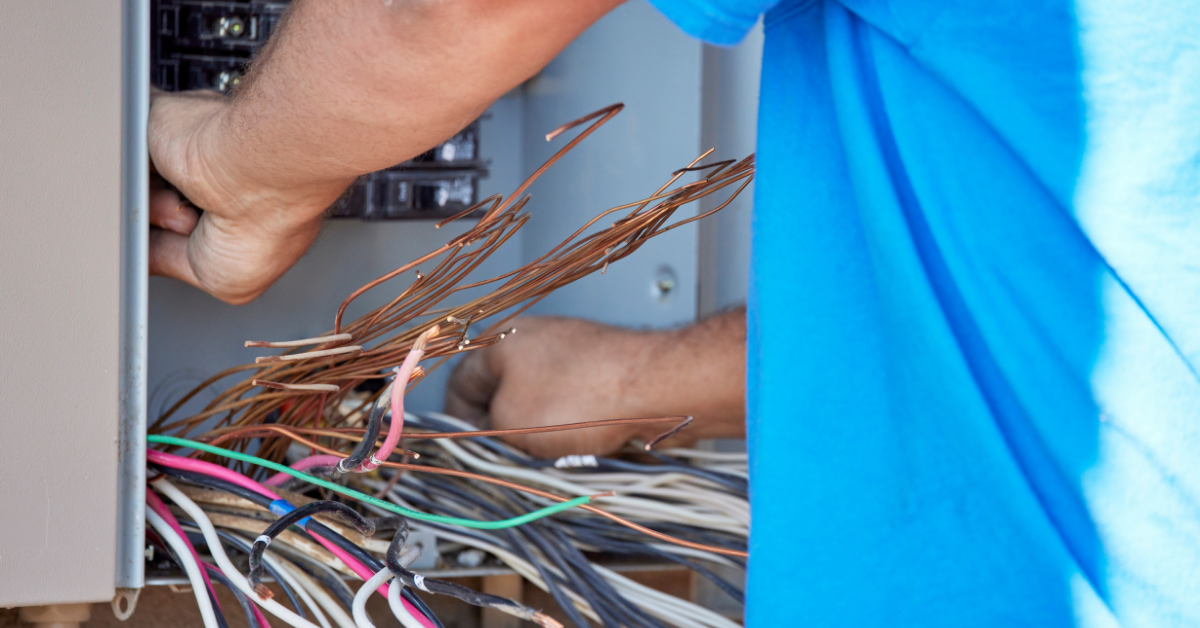
Sometimes the problem isn’t with the GFCI outlet itself but with the wiring behind it. Loose wire connections can create intermittent ground faults that cause tripping. This is particularly common in older homes where wire insulation has become brittle or where connections have worked loose over decades of thermal expansion and contraction.
Improper wiring is another concern, especially if the GFCI was recently installed or if you’ve had other electrical work done nearby. GFCIs have specific line and load terminal requirements—reversing these connections can cause malfunction. Additionally, if neutral wires from different circuits are incorrectly shared, this can create ground fault readings that trigger the outlet.
Rodent damage, nail or screw penetration during renovations, and deteriorated wire insulation can all create ground faults in the wiring system. These issues may be intermittent, causing seemingly random trips that are difficult to diagnose without proper testing equipment. A licensed electrician from Sovereign Electric LLC has the tools and expertise to safely identify and correct wiring problems that might be causing your GFCI to trip.
How to Troubleshoot GFCI Tripping
Start your troubleshooting by unplugging all devices from the GFCI outlet and any outlets downstream from it. Reset the GFCI and see if it stays on without anything plugged in. If it trips immediately, the problem is likely with the outlet itself or the wiring, not with connected devices.
If the outlet stays on when nothing is plugged in, reconnect devices one at a time, waiting several minutes between each to see if the GFCI trips. This process helps identify problematic appliances or devices. Also check the outlet and surrounding area for signs of moisture, especially if trips occur during or after water use.
For outdoor outlets, try resetting the GFCI during dry weather when the outlet has had time to thoroughly dry. If it works fine when dry but trips when wet, improved weatherproofing may solve the problem. However, if you’ve identified that moisture regularly affects the outlet, the location may need better protection or the outlet may need replacement with a more robust model designed for harsh conditions.
When to Call a Professional Electrician
While some GFCI troubleshooting is safe for homeowners, many situations require professional expertise. If your GFCI trips immediately upon reset with nothing plugged in, there’s likely a wiring or outlet failure that needs expert diagnosis. Similarly, if you smell burning, see scorch marks, or notice the outlet is hot, turn off power at the breaker and call an electrician immediately.
Frequent tripping without an identifiable cause warrants professional investigation. The problem could be hidden in your walls, in your electrical panel, or involve complex circuit interactions that aren’t safe to diagnose without proper training and equipment. Attempting DIY repairs on GFCI outlets or associated wiring can result in serious injury or code violations that may affect your homeowner’s insurance.
Professional electricians can also determine whether your home needs additional GFCI protection. Code requirements have evolved over the years, and older homes may benefit from expanded GFCI coverage even beyond what’s legally required. Sovereign Electric LLC provides comprehensive electrical repairs and outlet and switch services throughout Marysville, Everett, Lake Stevens, Lynnwood, and greater Snohomish and King Counties.
Don’t ignore persistent GFCI tripping. These devices are your first line of defense against electrical shock, and when they’re constantly tripping, either they’re protecting you from a real hazard or they’re not functioning properly—both situations that deserve prompt attention. Contact Sovereign Electric LLC today for expert diagnosis and reliable solutions to your GFCI outlet problems.
Frequently Asked Questions
Q: How often should GFCI outlets be tested?
A: You should test GFCI outlets monthly by pressing the “Test” button to ensure they trip properly, then pressing “Reset” to restore power. This simple check confirms the safety mechanism is working correctly and takes only a few seconds per outlet.
Q: Can I replace a regular outlet with a GFCI outlet myself?
A: While it’s technically possible for experienced DIYers, GFCI installation involves working with live electrical wiring and requires understanding of line versus load connections. Improper installation can create serious safety hazards, so professional installation is strongly recommended, especially if you’re unfamiliar with electrical work.
Q: Why does my GFCI outlet trip when it rains?
A: Rain can introduce moisture into outdoor outlet boxes, especially if the weatherproof cover is damaged, missing, or not designed for “in-use” protection. Water creates a path to ground that the GFCI detects as a fault. Installing proper weatherproof covers and ensuring outlet boxes are sealed correctly typically solves this problem.
Q: Will a GFCI outlet protect other outlets on the same circuit?
A: Yes, when properly wired, a GFCI outlet can protect all downstream outlets on the same circuit when those outlets are connected to the GFCI’s “load” terminals. This allows you to protect multiple standard outlets with a single GFCI, though each protected outlet should be clearly labeled.
Q: How long do GFCI outlets last before they need replacement?
A: GFCI outlets typically last 10 to 15 years under normal conditions. However, outlets in harsh environments (outdoors, high-moisture areas, or high-use locations) may fail sooner. Regular monthly testing helps identify outlets that are no longer functioning properly and need replacement.