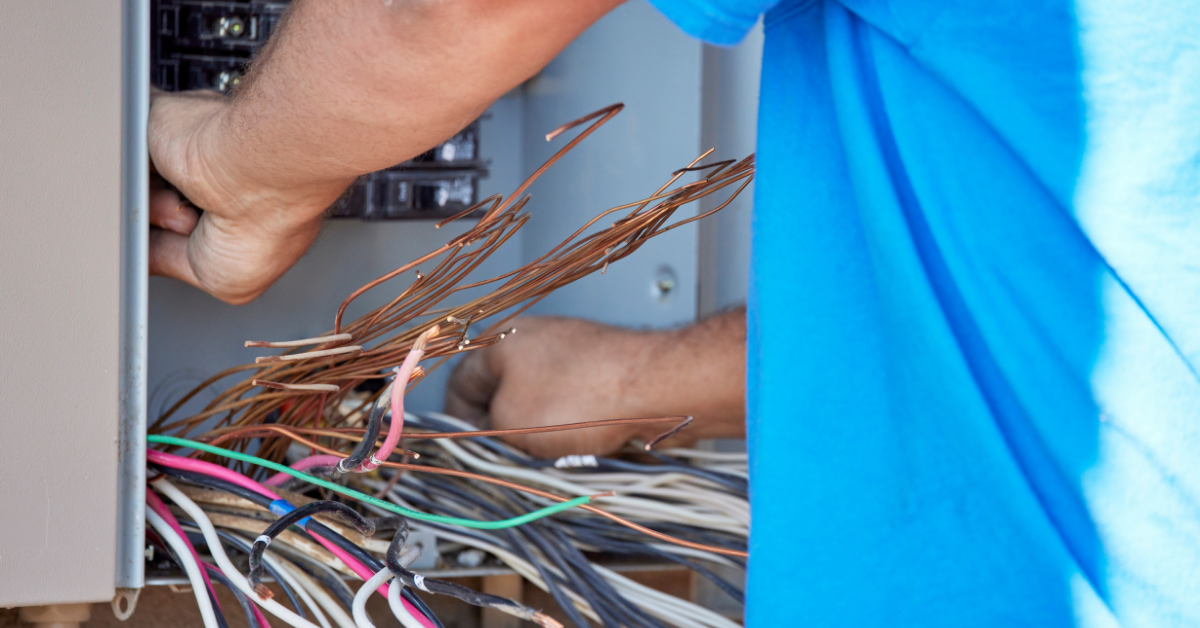
An electrical panel upgrade is one of the most important investments you can make in your home’s safety and functionality. Whether you’re adding new appliances, installing an EV charger, or simply dealing with an outdated system, understanding the upgrade process helps you prepare and know what’s happening at each stage. Here’s a complete walkthrough of what to expect when upgrading your electrical panel.
Why Electrical Panel Upgrades Are Necessary
Most older homes in Marysville and Snohomish County were built with 100-amp or even 60-amp panels that can’t handle today’s electrical demands. Modern homes require significantly more power for HVAC systems, kitchen appliances, home offices, and electric vehicle chargers. When your panel can’t keep up, you’ll experience frequent breaker trips, dimming lights, or even safety hazards like overheating. An electrical panel upgrade brings your home’s electrical capacity up to current standards—typically 200 amps—ensuring safe, reliable power for all your needs.
Beyond capacity issues, older panels may contain outdated technology like fuses instead of circuit breakers, or they may have brands known for safety concerns. Upgrading eliminates these risks while also increasing your home’s value and making it easier to pass inspections when selling.
The Initial Consultation and Assessment
The upgrade process begins with a thorough assessment by a licensed electrician. During this visit, the electrician will inspect your current panel, evaluate your home’s electrical usage, and discuss your specific needs. They’ll look at the panel’s age, capacity, condition, and whether it meets current building codes. This is also when you should mention any planned additions like a hot tub, home addition, or EV charger installation that would affect your power requirements.
The electrician will also examine the service entrance—where power enters your home—to determine if the utility company’s equipment needs upgrading as well. In some cases, the meter base and service cables may also need replacement to handle the increased capacity. After the assessment, you’ll receive a detailed estimate covering materials, labor, permit fees, and any additional work required.
Obtaining Permits and Coordinating with Utilities
Electrical panel upgrades require permits from your local building department, and your electrician will typically handle this process for you. The permit ensures that all work meets Washington State electrical codes and local requirements. This step usually takes a few days to a week, depending on your municipality’s workload.
In many cases, your electrician will also need to coordinate with your utility company to temporarily disconnect power during the installation. The utility may need to upgrade the meter or service drop (the cables running from the street to your home) to accommodate the new panel capacity. This coordination is scheduled in advance to minimize disruption to your household.
Preparing Your Home for the Upgrade
Before installation day, there are several steps you can take to prepare. Clear the area around your existing electrical panel—both inside and outside your home if there’s an exterior meter. The electrician will need easy access and workspace. Plan for a power outage lasting anywhere from 4 to 8 hours, though sometimes longer depending on the complexity of the work.
Consider what you’ll need during the outage: charge your devices, plan meals that don’t require cooking, and make arrangements if anyone in your home uses medical equipment requiring power. You might also want to reset clocks and electronic devices afterward. If you have a home security system, notify your provider about the planned outage. Refrigerated and frozen foods will typically stay cold enough during the outage if you keep the doors closed, but you may want to use a cooler with ice for essential items.
The Installation Day Process
On installation day, the electrician arrives with all necessary materials, tools, and safety equipment. The utility company will disconnect power at the meter, and the electrician will verify that the system is completely de-energized before beginning work. They’ll then remove the old panel, carefully labeling each circuit to ensure proper reconnection.
The new panel installation involves mounting the new box, connecting the service entrance cables, installing new circuit breakers, and reconnecting all the existing circuits. The electrician may also need to update wiring connections, replace outdated wiring, or add new circuits depending on your needs. Throughout the process, they’ll ensure all connections are tight, properly grounded, and code-compliant. This is precision work that can’t be rushed—a quality electrical installation takes time to ensure safety and reliability.
Testing, Inspection, and Power Restoration
Once the physical installation is complete, the electrician performs comprehensive testing. They’ll check voltage levels, test ground fault protection, verify proper breaker operation, and ensure all circuits are correctly connected. They’ll also inspect for any potential issues like loose connections or improper clearances.
After the electrician’s testing, a municipal inspector will visit to verify that all work meets code requirements. This inspection is mandatory and ensures your upgrade was done correctly and safely. Once the inspector approves the work and signs off on the permit, the utility company returns to reconnect power at the meter. The electrician will then do a final walk-through with you, explaining your new panel’s layout, showing you which breakers control which circuits, and answering any questions.
After the Upgrade: What Changes in Your Home
After your panel upgrade, you’ll likely notice improved electrical performance throughout your home. Lights will be brighter and more consistent, appliances will run more efficiently, and you’ll have the capacity to add new electrical features without worry. You’ll have clearly labeled circuits that make it easy to identify which breaker controls each area of your home.
Your new panel also includes modern safety features like arc-fault circuit interrupters (AFCIs) and ground-fault circuit interrupters (GFCIs) where required by code. These protective devices significantly reduce the risk of electrical fires and shock hazards. With your upgraded capacity, you’re now ready to install that EV charger, add outdoor electrical features, or make other improvements that your old panel couldn’t support.
Common Questions and Concerns
Many homeowners worry about the disruption an electrical panel upgrade will cause, but with proper planning, the process is straightforward. Most installations are completed in a single day, though more complex upgrades involving service entrance work or extensive rewiring may take two days. The investment typically ranges from $1,500 to $4,000 depending on the panel size, location accessibility, and any additional work required.
Some homeowners ask whether they can upgrade the panel themselves to save money. Electrical panel work is dangerous and requires extensive knowledge of electrical codes and safety procedures. In Washington State, this work must be performed by a licensed electrician and inspected by local authorities. Attempting DIY panel work risks serious injury, house fires, code violations, and insurance claim denials. For any electrical concerns beyond the panel upgrade, trust professional electrical repairs to keep your home safe.
Schedule Your Panel Upgrade with Sovereign Electric LLC
If your home is showing signs that it needs a panel upgrade—frequent breaker trips, flickering lights, or an inability to run multiple appliances simultaneously—don’t wait until you experience an emergency electrical situation. Sovereign Electric LLC serves Marysville, Everett, Lake Stevens, Lynnwood, and throughout Snohomish County and King County with expert electrical panel upgrade services. Our licensed electricians will assess your home’s needs, provide a transparent estimate, handle all permits and inspections, and complete your upgrade efficiently with minimal disruption. Contact us today to schedule your consultation and give your home the electrical capacity it deserves.
Frequently Asked Questions
Q: How long does an electrical panel upgrade take?
A: Most residential panel upgrades are completed in 4-8 hours, though the power may be off for the majority of that time. More complex installations involving service entrance upgrades or significant rewiring may extend into a second day. Your electrician will provide a more specific timeline after assessing your particular situation.
Q: Will I need to upgrade my electrical panel to install an EV charger?
A: It depends on your current panel’s capacity and available space for additional circuits. Many older 100-amp panels don’t have sufficient capacity for a Level 2 EV charger, which typically requires a dedicated 40-50 amp circuit. An electrician can evaluate whether your existing panel can accommodate the charger or if an upgrade is necessary.
Q: How much does an electrical panel upgrade cost?
A: In the Marysville and Snohomish County area, most residential panel upgrades range from $1,500 to $4,000. The price varies based on panel size (100 to 200 amps), whether the service entrance needs upgrading, the panel’s location and accessibility, permit fees, and any additional circuit work required. A detailed estimate after an in-home assessment will provide accurate pricing for your specific situation.
Q: Can I use some electricity during the panel upgrade?
A: No, the entire home’s power must be disconnected during the upgrade process for safety reasons. The utility company shuts off power at the meter before work begins, and it remains off until the installation and inspection are complete. Plan accordingly by charging devices beforehand and making arrangements for any power-dependent needs.
Q: How do I know if my electrical panel needs to be upgraded?
A: Common signs include frequent breaker trips, dimming or flickering lights when appliances turn on, a panel that feels warm to the touch, visible rust or corrosion, a burning smell near the panel, or a panel that’s over 25 years old. Additionally, if you’re adding major appliances, an EV charger, or a home addition, your existing panel may not have the capacity to handle the increased load safely.