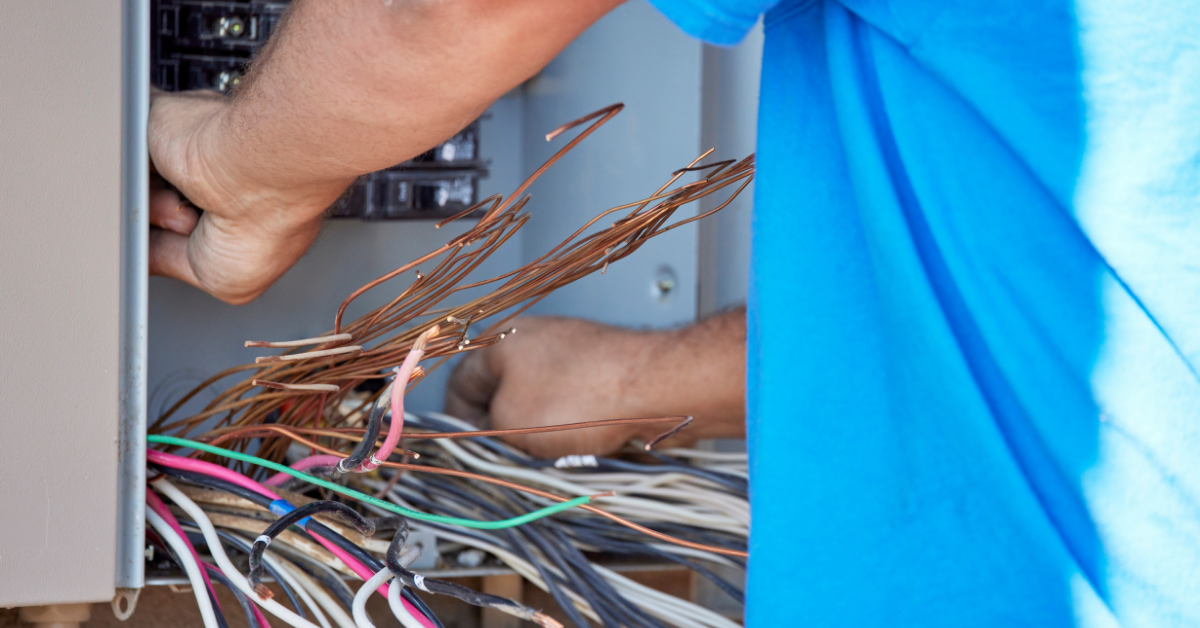
When you remodel your home, it’s easy to get caught up in the excitement of new layouts, fresh paint, or updated flooring. But one of the most critical — and often overlooked — parts of a remodel is the electrical work. Mistakes in wiring, outlets, or lighting setups can lead to costly repairs, code violations, and even serious safety hazards. Understanding the most common pitfalls can help homeowners avoid trouble and ensure their remodel goes smoothly.
Overloading Circuits
One of the most frequent mistakes during a remodel is overloading existing circuits. Many homeowners assume they can simply add new outlets or appliances to their current electrical system without issue. However, older homes often lack the capacity to support today’s electrical demands. Plugging too many devices into the same circuit can lead to tripped breakers, overheating wires, or even fire hazards. How to Avoid It: Consult an electrician early in your remodel. They can evaluate your home’s panel capacity and recommend adding new circuits or upgrading your service if needed.
Using the Wrong Wiring
Different areas of your home may require specific types of wiring to meet safety codes and handle load properly. For example, kitchens, bathrooms, and outdoor areas often require special wiring due to moisture or heavy appliance use. Using the wrong gauge wire or failing to use GFCI outlets in wet areas can quickly turn into dangerous problems. How to Avoid It: Always use code-compliant wiring for each application. An experienced electrician will know what’s required for your remodel and can ensure your wiring is safe and up to standard.
Skipping Permits and Inspections
In an effort to save time or money, some homeowners skip getting permits or avoid having electrical work inspected. This can lead to bigger headaches later when selling the home or if problems arise. Electrical systems that aren’t inspected may hide unsafe or noncompliant installations. How to Avoid It: Always pull the necessary permits for electrical work and allow the proper inspections. It’s not just about compliance — it’s about ensuring your home’s safety.
Poor Outlet and Switch Placement
A remodel is the perfect time to reconfigure your home’s outlets and switches, but many homeowners forget to plan ahead. This can result in outlets placed in inconvenient spots or too few outlets for modern needs. Later, you may find yourself using too many extension cords, which is both unsafe and impractical. How to Avoid It: Think through how you’ll use each room before the remodel begins. Place outlets where you’ll need them most — near counters, entertainment centers, work areas, and bedrooms. Adding USB outlets or smart switches can also make your home more functional.
DIY Electrical Work Without Expertise
Homeowners often feel confident handling some aspects of remodeling, but electrical work is one area where DIY can quickly turn dangerous. Mistakes like incorrect wire splicing, poor connections, or improper breaker installation can cause fires, shock hazards, or system failures. How to Avoid It: Leave the electrical work to licensed electricians. A professional ensures your remodel is safe, code-compliant, and ready to handle your needs.
Ignoring Future Needs
It’s easy to focus only on the immediate remodel without considering how your electrical needs may change in the future. For instance, a kitchen renovation that doesn’t plan for additional appliances or a garage remodel without considering EV charger needs may require costly changes later. How to Avoid It: Discuss your long-term plans with your electrician. Adding extra circuits, smart home wiring, or future-proofing for new technology now can save you money and hassle later.
Final Thoughts
Electrical mistakes during a remodel don’t just cause inconvenience — they can create serious risks for your home and family. By working with licensed professionals, planning carefully, and following codes, you can avoid the most common issues and ensure your remodel adds both beauty and safety to your home.
At Sovereign Electric, we specialize in safe, code-compliant electrical installations for remodels of all sizes. Whether you’re updating a single room or tackling a full home renovation, our team ensures your electrical system is designed for today and ready for tomorrow.


 (206) 414-8772